
History of Bighorn Sheep Canyon and Our Chapter
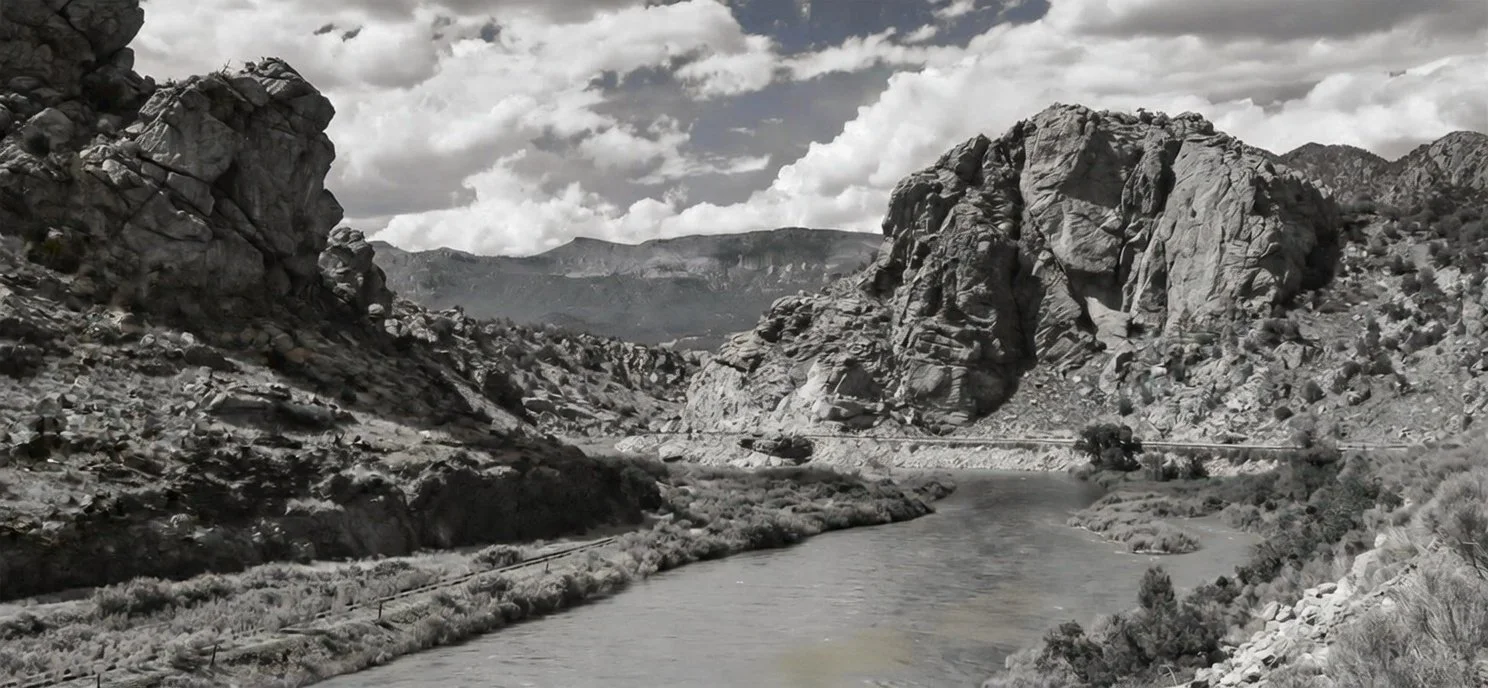
Bighorn Sheep Canyon along the mighty Arkansas River: Rugged cliffs and flowing waters that have defined this iconic Colorado watershed for millions of years
The Timeless Legacy of Bighorn Sheep Canyon
Bighorn Sheep Canyon, carved by the relentless flow of the Arkansas River through central Colorado’s rugged landscape, is a testament to millions of years of geological forces. Approximately three million years ago, as the Rocky Mountains uplifted, the Arkansas River (then a modest stream) began eroding the ancient rock, sculpting the dramatic granite cliffs and sheer walls that define the canyon today. Stretching from just east of Salida to Parkdale in Fremont County, this stunning stretch of river reveals layers of Precambrian granite, volcanic history, and the dynamic story of Colorado’s formation.
Long before European settlers arrived, the area was home to Native American tribes, including the Ute people, who hunted and traveled through the upper Arkansas Valley for thousands of years. Spanish explorers patrolled the region in the 18th and early 19th centuries, but major change came in the late 1870s with the discovery of silver and lead ores. Miners flooded the valley, spurring settlements and the epic “Royal Gorge War” (a fierce battle between rival railroads, the Denver & Rio Grande and the Atchison, Topeka & Santa Fe) for rights to build through the narrow gorge.
The canyon earned its name from the resilient herds of bighorn sheep that navigate its steep cliffs, a wildlife icon that continues to thrive alongside bald eagles, otters, and other species. In modern times, Bighorn Sheep Canyon has become a world-renowned destination for recreation. In 2014, after decades of water quality improvements from historical mining impacts, Colorado Parks and Wildlife designated 102 miles of the Arkansas River (from Leadville to Parkdale) as Gold Medal trout waters, the longest continuous stretch in the state. This recognition cemented the canyon’s status as a premier wild trout fishery, teeming with healthy populations of brown and rainbow trout.
The Birth of the Big Horn Sheep Canyon Chapter
While Trout Unlimited has long championed coldwater conservation across Colorado, anglers and conservationists in the Bighorn Sheep Canyon area noticed a gap: no dedicated local chapter focused specifically on this iconic Gold Medal reach and its vital tributaries.
In response, a small group of passionate individuals, led by Jonathan Haas and Taylor Edrington, came together to change that. Recognizing the need for stronger local advocacy, habitat restoration, and community outreach in Fremont County and the surrounding Arkansas River watershed, they began working closely with existing chapters, the Colorado Trout Unlimited state council, and national leadership to establish the Big Horn Sheep Canyon Chapter.
This new chapter builds on TU’s proud legacy while bringing focused energy to protecting the wild trout fisheries of Bighorn Sheep Canyon, Grape Creek, Badger Creek, and beyond. From hands-on restoration projects to education and stewardship, we are committed to ensuring this remarkable river system remains healthy and accessible for generations of anglers, wildlife enthusiasts, and outdoor lovers to come.
We invite you to be part of our growing story. Join us in honoring the past and safeguarding the future of Bighorn Sheep Canyon.